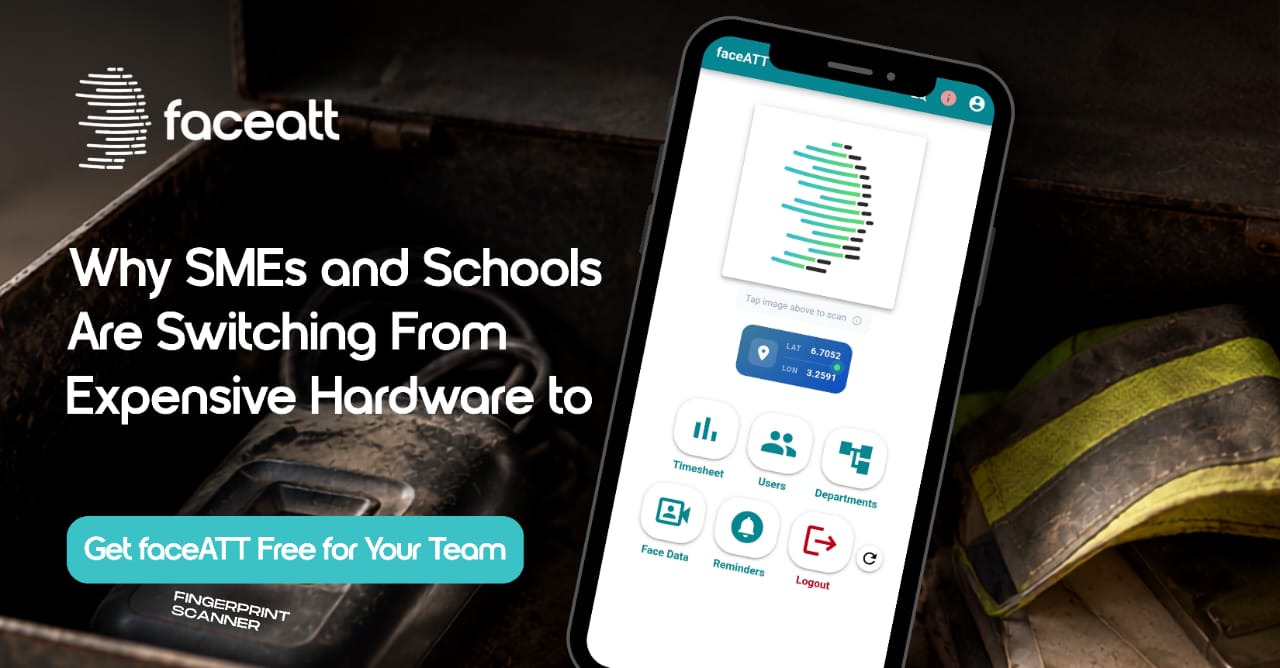
 Attendance management
How faceATT's Referral Program Lets You Earn by Helping Institutions Go Digital
[PLACEHOLDER CONTENT] Full article body not available from the listing screenshot — replace with the real post content.


Facial recognition, right on your own smartphone
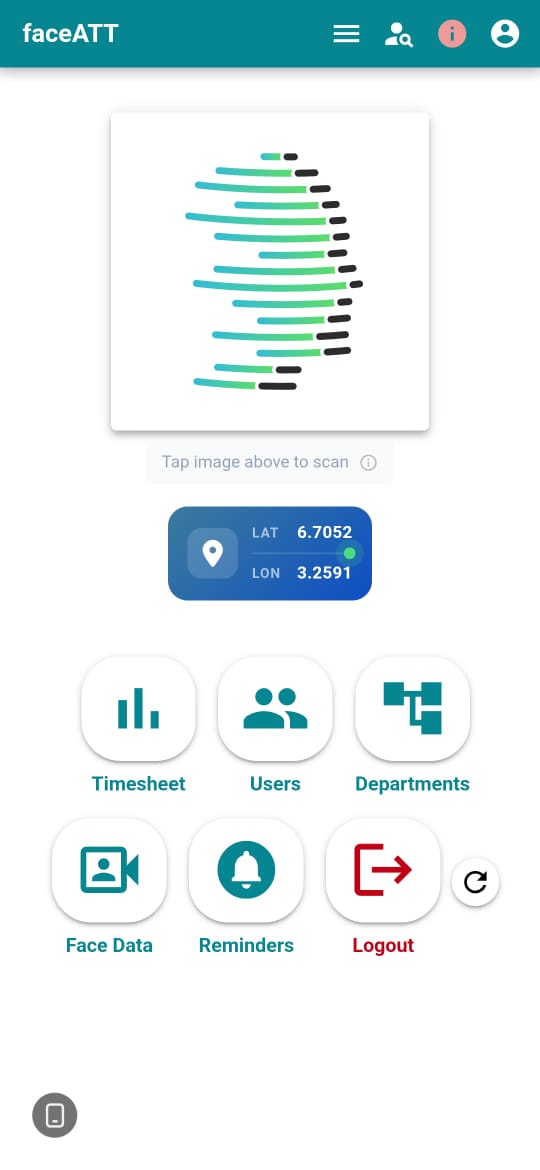
faceATT streamlines attendance, visitor logging, and dynamic tasks into one smartphone app. No dedicated hardware, no lengthy rollout — just point, scan, and go.
A powerful three-in-one utility that replaces paperwork, outdated systems, and manual processes.
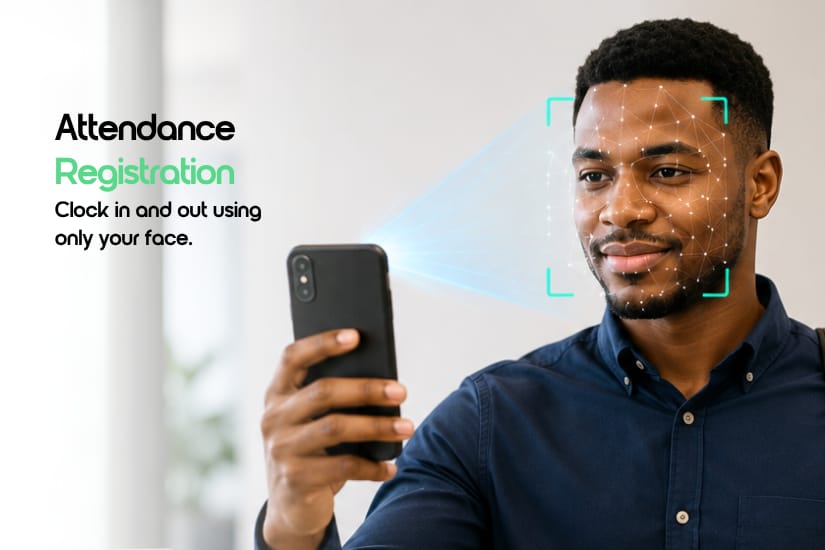
Clock in and out using only your face. Automates daily registers with precise timestamps and geo-location validation — no buddy punching, no fraud.
Learn more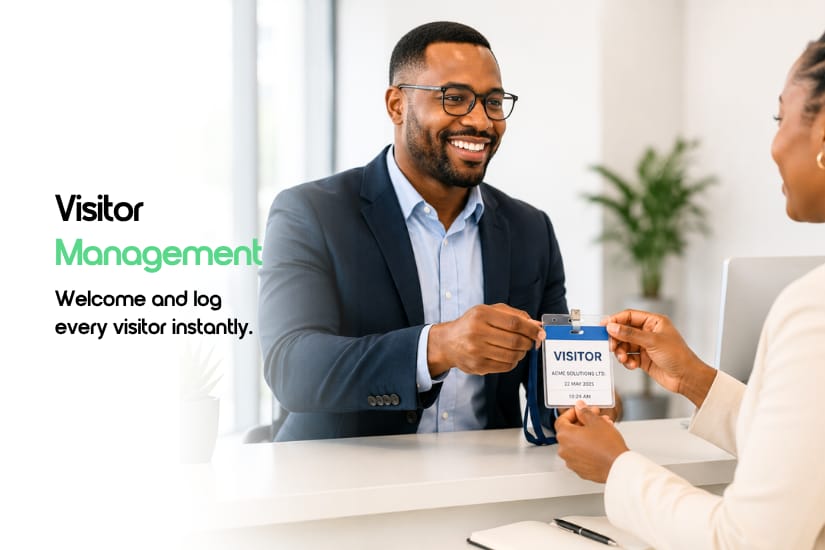
Welcome and log every visitor instantly. Facial recognition creates a real-time, searchable record — enhancing security without slowing anyone down.
Learn more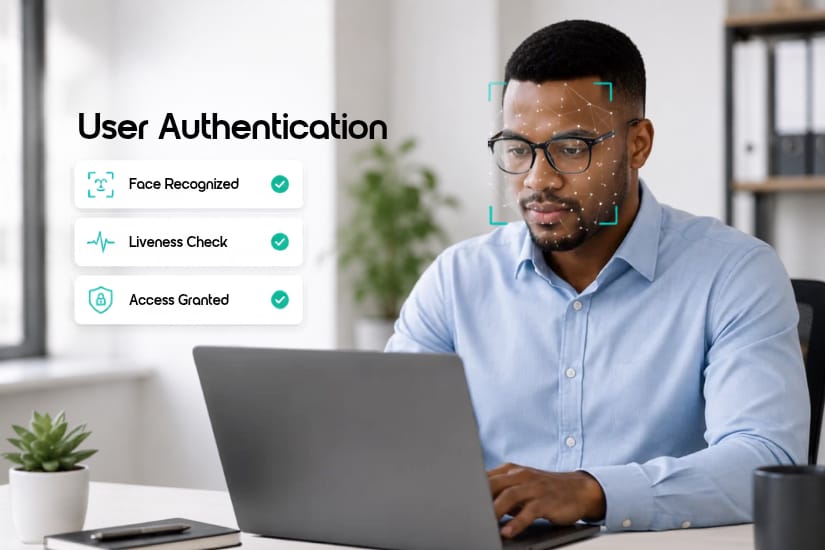
Verify identity with biometric precision. Secure access to systems and sensitive areas with multi-factor facial recognition and liveness checks.
Learn more
Assign, track, and verify task completion across your workforce. Link tasks to authenticated identities for accountability at every step.
Learn more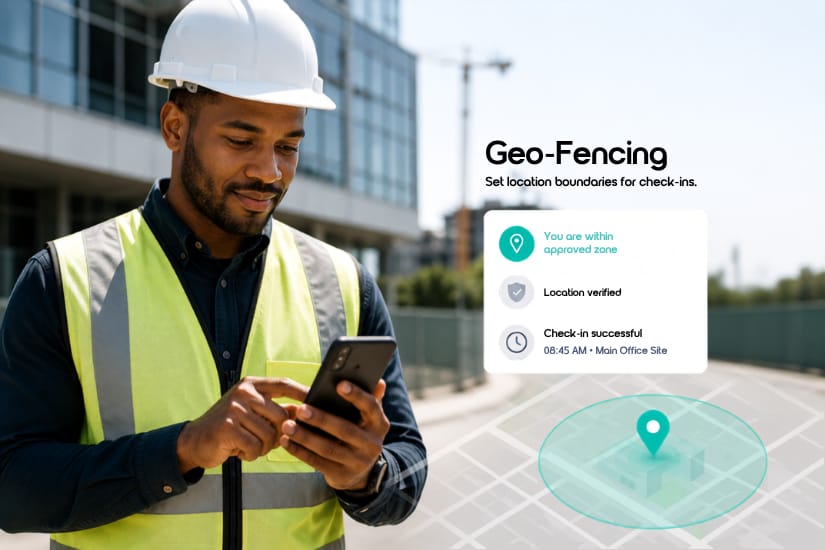
Set location boundaries for check-ins. Employees can only clock in within approved zones — perfect for field teams and multiple sites.
Learn more
Get instant attendance summaries, visitor logs, and task completion reports. Export and share data without complex integrations.
Learn moreGet faceATT from Google Play, the App Store, or Huawei AppGallery. Works on any modern Android or iOS smartphone.
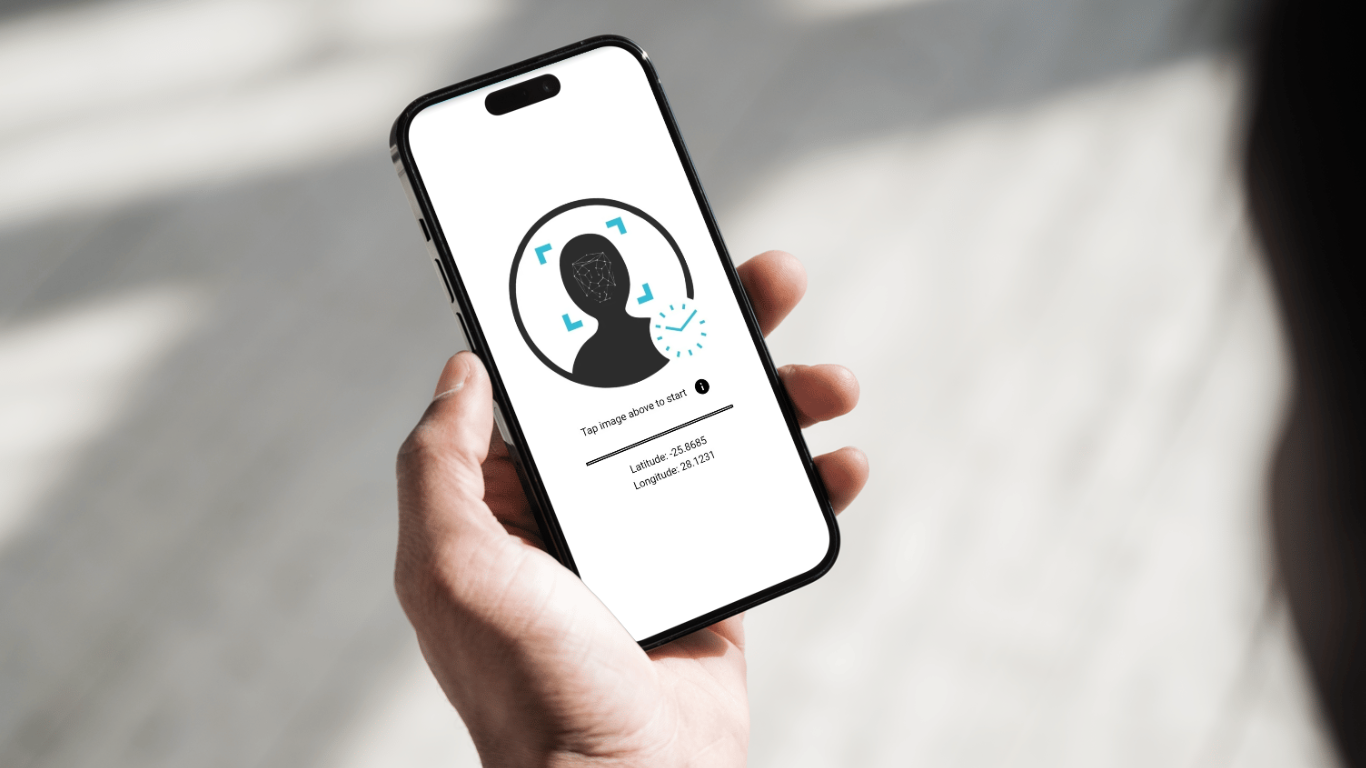
Employees or visitors enrol their face in seconds. The system captures a secure biometric template — no photos stored.
Recognition takes under a second. Liveness detection ensures no spoofing with photos or videos.
Access real-time dashboards and exportable attendance, visitor, and task data from any device.
From schools to construction sites — organisations that switched to faceATT don't look back.
We eliminated ghost workers entirely within the first month. The geo-fencing means our field staff can only clock in on-site. Management visibility went from zero to real-time.
Setting up took less than a day. Our staff were enrolled and clocking in with their faces by afternoon. The accuracy is genuinely impressive — no misreads in six months.
Visitor management used to be a clipboard at reception. Now we have a full digital log with face captures. Our compliance audit passed without a single query on visitor records.
Buddy punching, manual sign-in sheets, and payroll corrections quietly eat hours every week. Move the sliders to estimate what switching to faceATT could put back into your business.
Estimate only, based on figures you enter. Actual savings vary by organisation.
Attendance management
[PLACEHOLDER CONTENT] Full article body not available from the listing screenshot — replace with the real post content.
 Attendance management
[PLACEHOLDER CONTENT] Full article body not available from the listing screenshot — replace with the real post content.
 Attendance
In our previous guide, we walked you through the basics of setting up faceATT and getting started with biometric attendance tracking. Now that you’re …
Book a personalised 30-minute demo and see how quickly your organisation can go contactless.
Book My Free DemoAvailable on Android, iOS, and Huawei. No extra hardware required — just your smartphone.