
Why SMEs and Schools Are Switching From Expensive Hardware to faceATT in 2026
There’s a particular kind of business expense that nobody budgets for properly: the security or attendance system you bought three years ago that’s now sitting half-broken in a cupboard, because the company that installed it doesn’t answer calls anymore and nobody on your team knows how to fix it.
Dedicated biometric hardware, the fingerprint scanners, the access control terminals, the specialist install jobs, typically runs anywhere from R5,000 to R50,000 per site once you factor in the unit, the installation, and the maintenance contract that follows you around for years. For a school with three gates, a construction company with five sites, or an SME just trying to keep a proper attendance register, that’s not a line item. That’s a decision that gets put off indefinitely, which means the business keeps running on paper, on trust, and on hope.
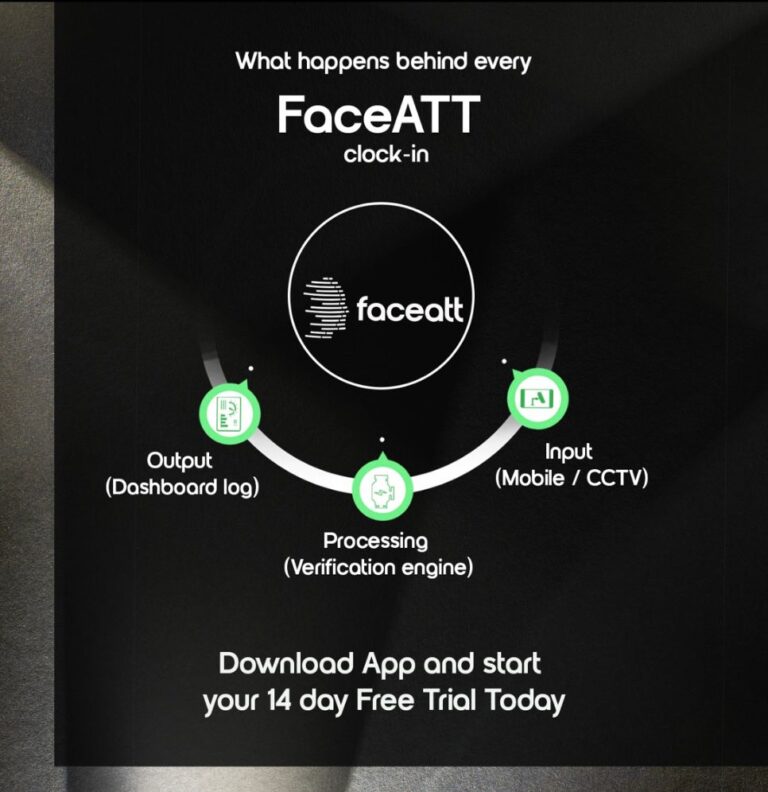
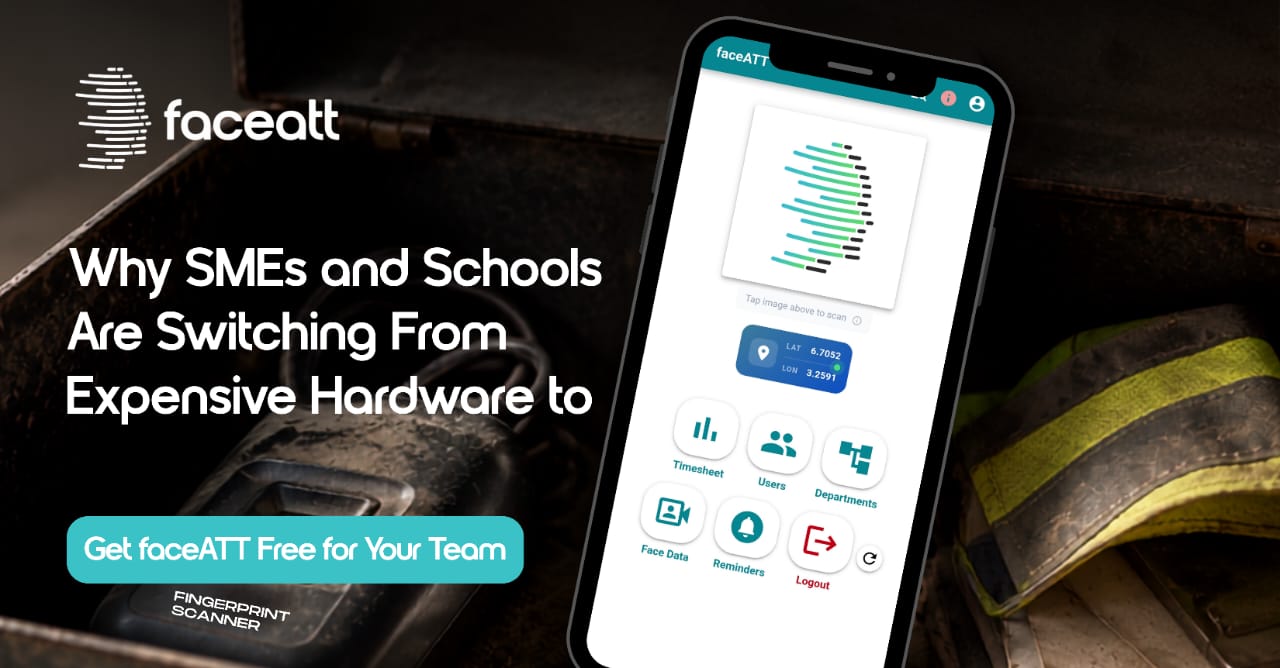
In 2026, more SMEs and schools are quietly making a different call. They’re not buying hardware at all. They’re putting facial recognition attendance and access straight onto the smartphones already in everyone’s pocket.
The SME case: you don’t need enterprise infrastructure
Most small businesses don’t have an IT department. They have someone who’s good with computers and a lot of other things to do. A biometric system built for a 500-person corporate site, with its own server, its own installer, and its own support contract, is simply the wrong tool for a business with twelve staff.
What a small team actually needs is something that works the moment you open the app. No terminal to mount on a wall. No technician to book. No downtime while the system gets configured. Just an app on a phone that confirms who’s on site and when, from day one.
The school case: safer gates without new turnstiles
Schools have a version of this problem that’s even more pressing: knowing exactly who dropped off and picked up which child, and when. Getting that right usually means turnstile hardware, card readers, or a security guard with a clipboard trying to recognise a few hundred faces every afternoon.
faceATT’s approach sidesteps the hardware step entirely. Gate staff use the app on a smartphone to confirm identity at drop-off and pick-up, with a proper digital log behind it. No new turnstiles, no wiring, no capital project. Just a safer, better-documented gate using equipment the school already has.
The construction and multi-site case: the phone moves with the worker
Fixed biometric terminals make an assumption that doesn’t hold for a lot of South African businesses: that everyone reports to the same building every day. Construction companies, security firms, and field service businesses don’t work that way. A foreman might be on a different site every week.
Geo-fencing solves this without needing a terminal bolted down at every location. The phone is the terminal. It travels with the worker, and the system confirms both who they are and where they actually are when they clock in. Add a new site and there’s nothing to install. You just add the location.
The numbers, side by side
| Dedicated biometric hardware | faceATT |
| Upfront cost per site | R5,000 â R50,000 | R0 |
| Installation | Specialist required | None, runs on existing smartphones |
| For teams of 1â10 | Same cost as larger sites | Free, up to 50 task reports and 50 visitor logs a month |
| For teams of 11â30 | Full hardware + install cost | From R47 per user, per month |
| Adding a new site | New hardware purchase | No additional cost |
| Maintenance | Ongoing contract | None |
There’s no getting around it. For a business or school working out whether to spend tens of thousands of rand on hardware or simply download an app, this isn’t a close call.
What actually changes after you switch
Week 1: Staff download the app and register their faces. No installation appointment to wait for, no downtime. Attendance and visitor logging start immediately.
Month 1: The register stops being a source of disputes. Hours worked match hours paid. Gate staff or reception have an actual searchable log instead of a clipboard nobody reads. Managers can see attendance patterns for the first time without chasing anyone for a spreadsheet.
Quarter 1: The system has quietly become infrastructure. New sites or new hires get added in minutes instead of requiring a procurement conversation. The business has a verifiable record it can point to for payroll, for compliance, and for peace of mind, without ever having paid for a single piece of hardware.
You don’t need a bigger budget. You need a smaller problem.
The old assumption was that proper security and attendance verification required proper hardware. That assumption is what’s kept so many SMEs and schools stuck on paper registers for years longer than they should have been. It doesn’t hold anymore. The phone already in your pocket is the hardware.
Get faceATT Free for Your Team at [www.faceatt.co.za](https://www.faceatt.co.za).