
Facial Recognition: Common Myths Explained
Introduction
Facial recognition technology is becoming an important part of modern digital systems. From unlocking smartphones to verifying identity for secure services, it helps make interactions faster and more secure.
Despite its growing use, many misconceptions still exist about how facial recognition works.
Let’s explore some of the most common myths and separate them from reality.
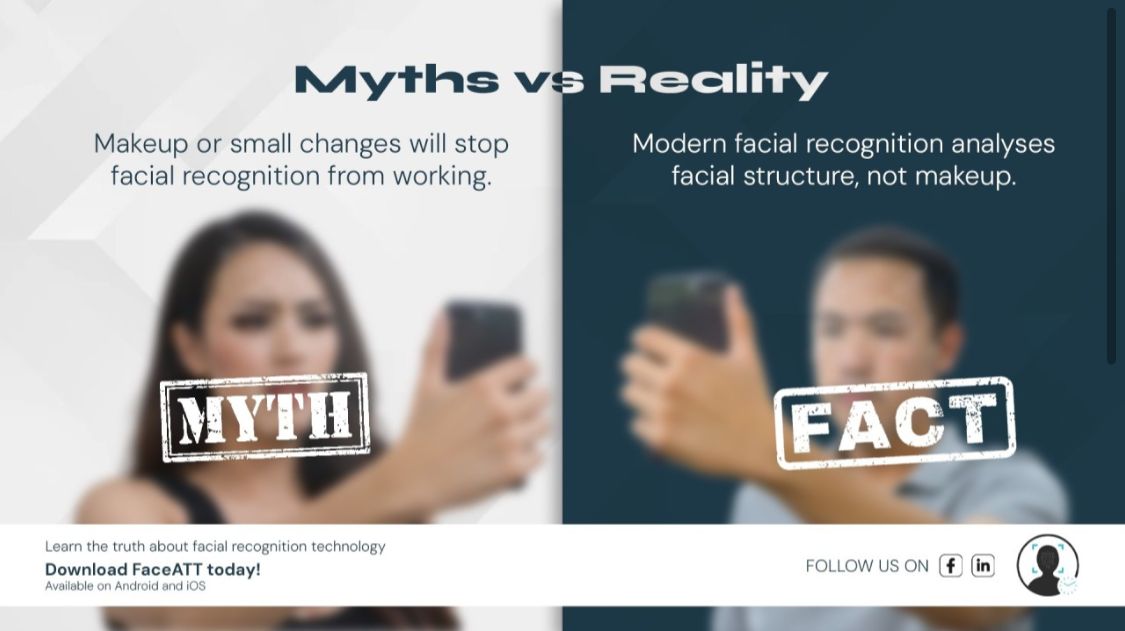
Myth 1: Makeup prevents facial recognition from working
One of the most common beliefs is that makeup or small cosmetic changes can confuse facial recognition systems.
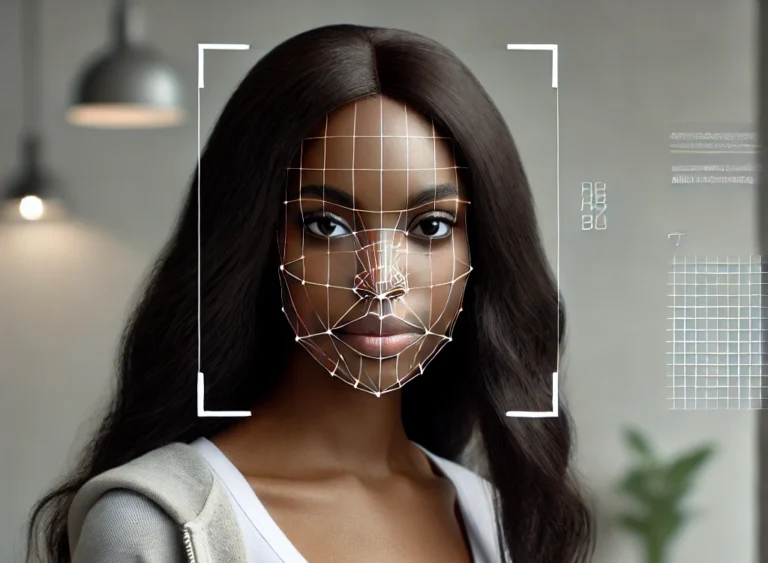
In reality, modern facial recognition technology focuses on unique facial structures such as the distance between the eyes, the shape of the jawline, and other key facial points.
Makeup does not usually affect these structural features, which means the system can still recognize the user.
Myth 2: Facial recognition stores photos of your face
Many people assume that the system stores a photo of their face in a database.
Most modern systems do not store images. Instead, they convert facial features into encrypted digital patterns that represent key facial measurements.
This data cannot simply be turned back into a photo.
Myth 3: Facial recognition can easily be fooled by a photo
Advanced facial recognition systems include additional security layers such as liveness detection.
This means the system checks whether the face being scanned is from a real person in front of the camera rather than a printed image or screen.
These technologies make spoofing attempts far more difficult.
Myth 4: Small changes like scars or glasses will stop recognition
Facial recognition systems analyze many different facial points, not just one feature.
Because of this, small changes like glasses, facial hair, or minor scars usually do not prevent the system from recognizing a user.
Conclusion
Facial recognition technology continues to evolve, becoming more accurate and more secure with each advancement.
As Faceit prepares for its relaunch, the focus remains on creating identity solutions that are secure, reliable, and simple for users.
The future of digital identity is moving toward smarter and more seamless verification systems.
Stay tuned as Faceit prepares to introduce its next chapter.